
The Redirection of Les Mills
Built by family. Scaled by community. Sustained by purpose — the making of a fitness empire.


All images courtesy of Les Mills
With a track record of over five decades in business, Les Mills has transformed from a small family gym in Auckland New Zealand into the world’s most influential fitness empire. In this Redirection, we explore the strategic choices that have kept them leading the pack.
The Cultural Context: Life in a Pre-Fitness World
In the late 1960s, sport and health belonged to two different worlds. Exercise existed to achieve something — the pursuit of strength, speed, and performance. Health was simply the absence of sickness. Something you either had or lost. Gyms, when they existed, were seen as intimidating, masculine and performance-driven spaces. Reserved for athletes and bodybuilders. Not for everyday people. And most certainly not for women.
The idea of “paid leisure activity” was only just emerging in the late 1960s — barely two decades after the Second World War — as modern consumer culture began to take shape. Up until that point, people spent their money on what was practical: food, clothing, transport. Movement didn’t belong in that world. You moved because life required it, not because it held emotional or personal value. And while the first studies were beginning to show the benefits of exercise for long-term health, that knowledge hadn’t yet reached the masses. So the idea of paying for physical effort felt strange. Absurd even. Because the cultural understanding for it simply didn’t exist.
It’s in that context that Les and Colleen Mills opened their first gym in Auckland New Zealand, in 1968.

Building the Business: The Birth of Les Mills
In a country where the idea of “fitness” barely existed, Les and Colleen Mills became first movers in an entirely new domain. Their real competition wasn’t other gyms, but culture itself — the ingrained belief that exercise was only for athletes.
Les, one of New Zealand’s most accomplished athletes and a four-time Olympian, had spent his life chasing athletic performance — perfecting the balance between strength, discipline, and control. But outside the world of sport, he saw a gap. Ordinary people didn’t have access to the kind of training, structure, or support that athletes took for granted. Most Kiwis were active through work or weekend sport, but not fit in the modern sense. There was no space where people could train for their wellbeing — safely, scientifically and socially.
Colleen, a national-level sprinter and hurdler turned coach, shared his conviction. She understood that movement could also create belonging — that technical precision and empathy could coexist. Through her influence, Les Mills became a space where women and first-time exercisers felt they could belong. Together, the Mills did more than open a gym; they introduced a new way of thinking about movement. By combining health with physical training, they blurred the lines between sport, medicine, and wellbeing — allowing movement to take on new meaning in people’s lives.
Over time, their philosophy gained momentum. One gym became several, each owned and run by the Mills family — spaces that felt both disciplined and welcoming. What began as a single room of weights and wooden floors evolved into a new model for living well. Laying the foundation for a philosophy that would, in time, travel far beyond New Zealand’s shores.
Scaling the Vision: From Local Gyms to Global Movement
By the early 1980s, the world around Les Mills was changing. The circuit training pioneered by Les and Colleen had built a loyal community, but a new fitness culture was emerging overseas. In the U.S., aerobics and jazzercise were turning exercise into entertainment.
Their son Phillip Mills, who had worked in the family gyms since his teens, saw this shift first-hand while studying at UCLA, the heart of America’s fitness revolution. He recognised its potential — to fuse his parents’ athletic discipline with the energy of popular culture — and brought that vision home.
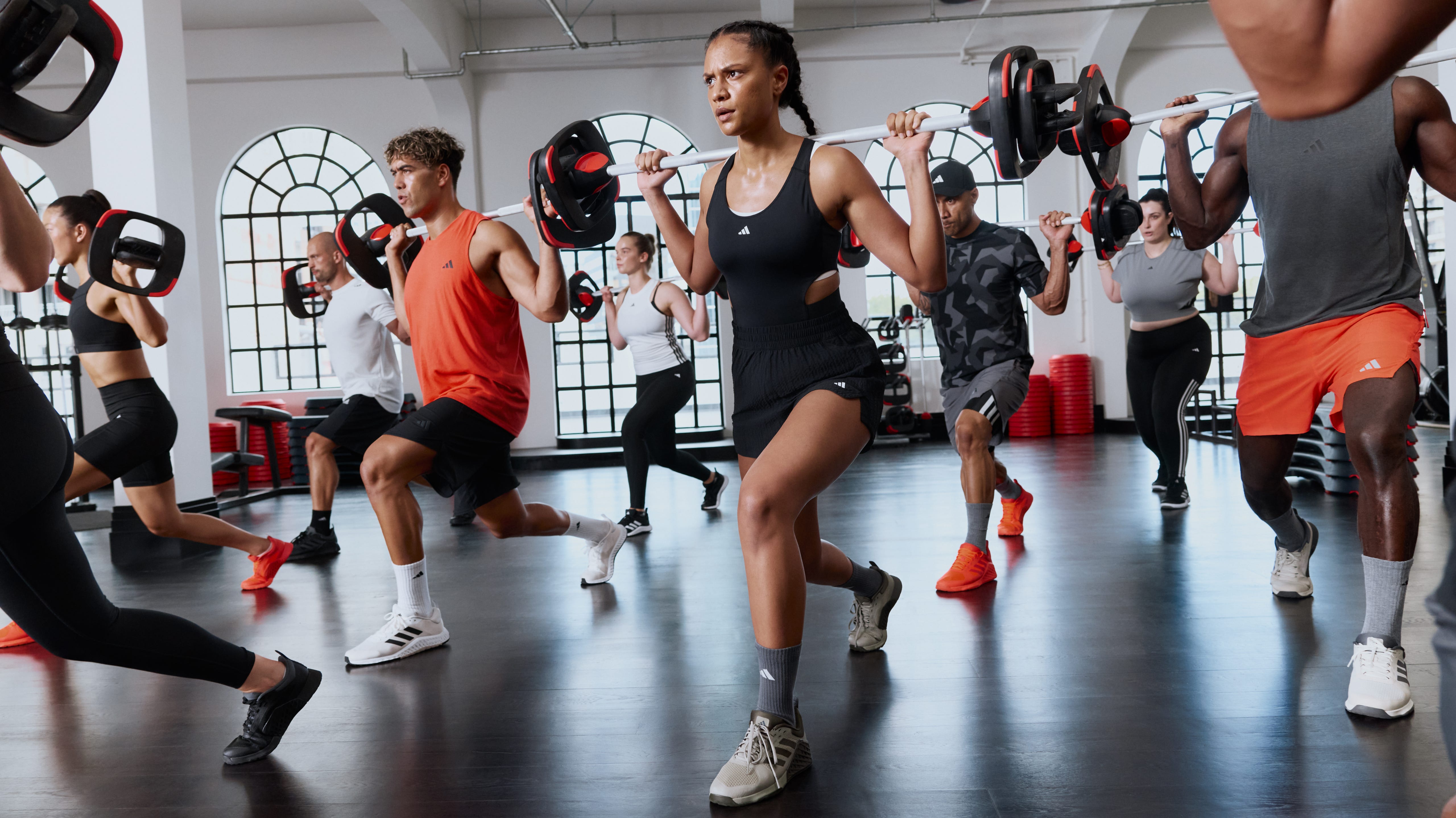
Together with his wife Dr. Jackie Mills, a doctor and former gymnast, Phillip led the brand’s first major redirection. They added music and choreography to resistance training — and BodyPump was born. The response was immediate: queues outside gyms, packed classes, and a workout that felt both powerful and social.
As demand soared, so did their ambition. Under the mission “For a Fitter Planet,” the family realised that owning gyms would limit their reach. To scale, they codified their magic — standardising programs, music, and instructor training so clubs everywhere could license the Les Mills experience. It marked the shift from B2C to B2B2C, serving clubs and instructors while inspiring millions through them.
Over the following decades, the brand evolved from a local gym chain into a global movement — rivaling the world’s biggest fitness brands, powered by the tribe-driven community culture that set Les Mills apart.
Staying Ahead: Innovation as a State of Mind
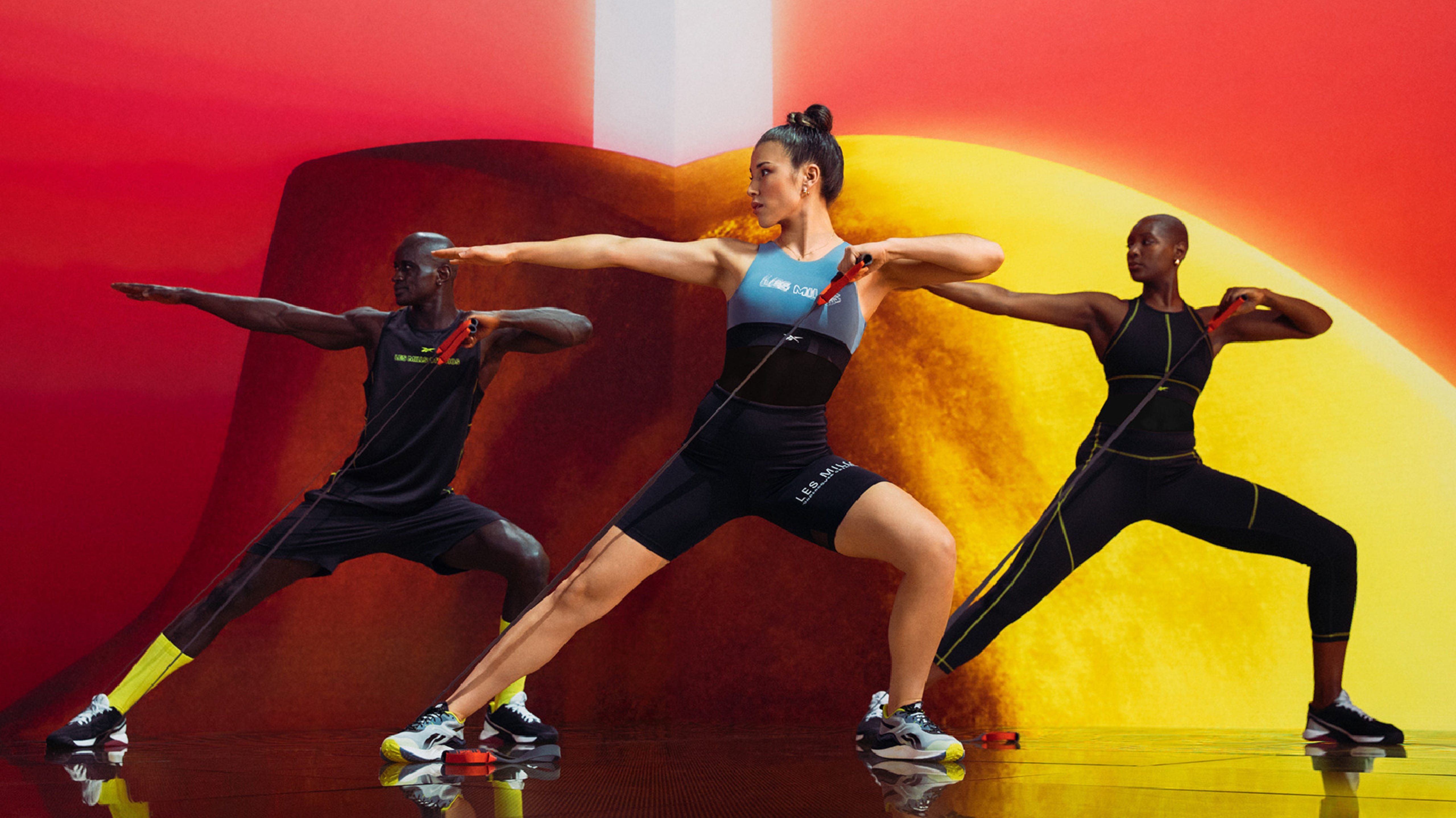
Over the years, Les Mills turned one workout into an entire ecosystem. Introducing new training programs to stay ahead of shifting needs — from BodyBalance, Les Mills Core, and BodyAttack to Grit, Tone, and RPM. Each reflected a new moment in culture: whether it was the rise of mindfulness, the hunger for high-intensity training, or the search for more balanced, inclusive ways to move.
This spirit of innovation kept Les Mills ahead of its time. Long before the pandemic, the team recognised a growing demand for flexibility — people wanted the freedom to work out on their own terms. At the same time, many beginners still felt intimidated by the idea of walking into a gym. Les Mills On Demand (now Les Mills+) was designed to meet both needs: bringing studio-quality workouts into people’s homes while helping them build the confidence to join their local community in person.
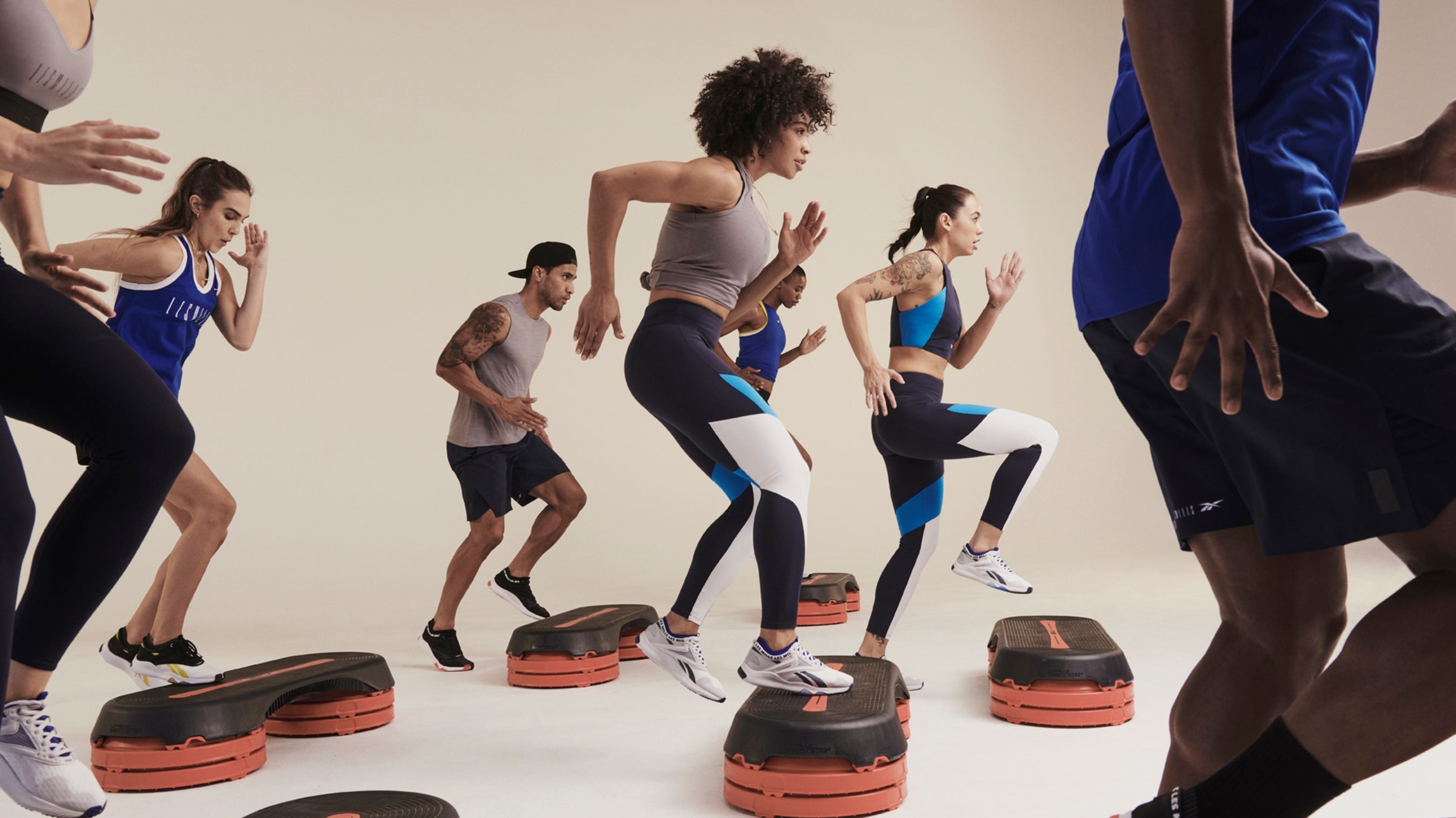
When COVID-19 hit, that foresight proved invaluable. While much of the industry stood still, Les Mills moved forward. Les Mills+ kept members active and helped gyms stay afloat — turning a digital experiment into a global lifeline and a new revenue stream. The model expanded once again: from B2B2C to also include B2C, deepening both reach and impact.
The next generation of Mills leaders carried that vision forward. Les Mills Jr., creator of Grit, and Diana Mills, creative and training director, helped reframe the brand for a new generation. Many early instructors have since become program directors and ambassadors. Today, Les Mills is no longer just the name behind your gym class — it’s a visible brand with its own voice and presence. On TikTok, Les Mills now connects with new fitness audiences while staying true to its mission: create a fitter planet by helping people fall in love with fitness.
We often talk about legacy brands as if they belong to the past — institutions too established to change. Les Mills proves the opposite. Fifty years in, and it feels like they’re just getting started.
Lessons in Reframing: What you Can Learn from Les Mills
1. Build culture. Build business.
Les Mills doesn’t sell workouts — they sell belonging. Fitness is the product, community the multiplier, and culture the strategy for long-term growth.
2. Codify your magic. Expand your impact.
When the Mills family turned their philosophy into a system — music, method, and mindset — scale became inevitable. Structure didn’t limit creativity; it amplified their reach while preserving their DNA.
3. Stay in style, not in fashion.
Trends come and go, but relevance lasts. Les Mills evolves with culture, not with hype — keeping workouts fresh through quarterly music releases that capture the spirit of the moment. Staying in style means being shaped by culture, not consumed by it.
4. Know who you are. Lead from there.
Every generation of Mills leaders built from the same core belief — that movement empowers, connects, and inspires. Brand heritage isn’t a constraint. It’s your compass.
5. Embrace innovation as your daily mindset.
Innovation isn’t a department; it’s a daily way of seeing. Les Mills+ existed before the world demanded it — because the brand was already building for what came next. Anticipating change, not reacting to it, is what has kept Les Mills at the forefront of fitness for fifty years — and it’s what will keep them there for fifty more.
So, what if the only thing holding you back in your business, career or brand is the way you’re looking at it? Hi, I’m Cindy — trainer, speaker, creator of The Reframe™, and Founder of strategy studio The Business of Culture. My work is guided by one conviction: perspective shapes outcome. That belief is at the heart of The Reframe™: a 60-minute online strategy conversation designed to shift the way you see your business or career, uncover what’s really holding you back, and build momentum for your next move. It’s how I help leaders and professionals like you see opportunities others miss, make strategic choices with confidence, communicate your value with more impact — ultimately accelerating growth.
🚀 Ready to redirect tomorrow? Book your 60-minute Reframe™ session today.
Not ready to leave the World of Les Mills behind? I got you covered. Dive into the Bodypump inspired Spotify playlist I curated to accompany this piece
Thanks for the interesting read!!